
Drywall & Building Materials
Gypsum board, joint compound, corner bead, wall panels, steel studs and metal framing, plus concrete.
Drywall & Building Materials
Filters
Filters
Category
Price
Brand
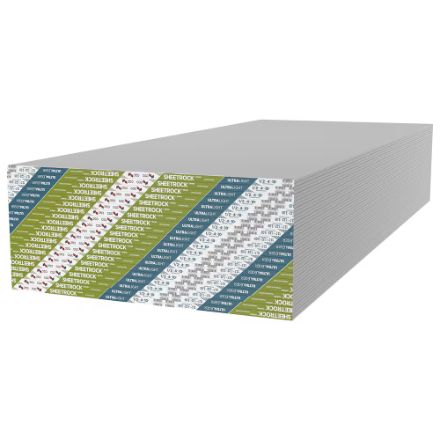
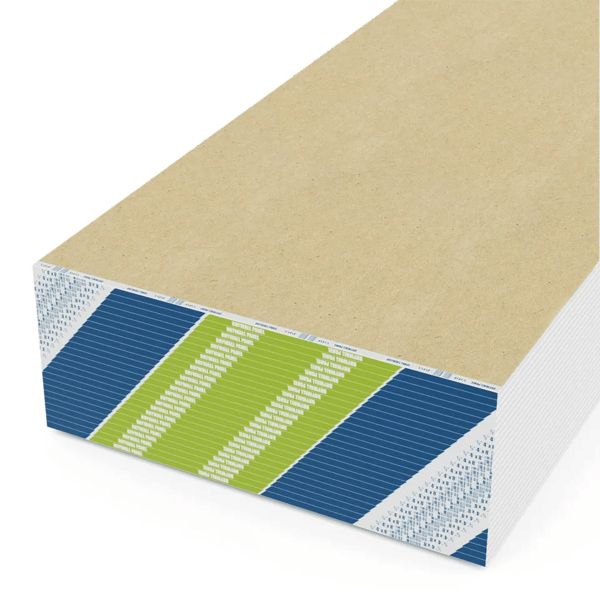
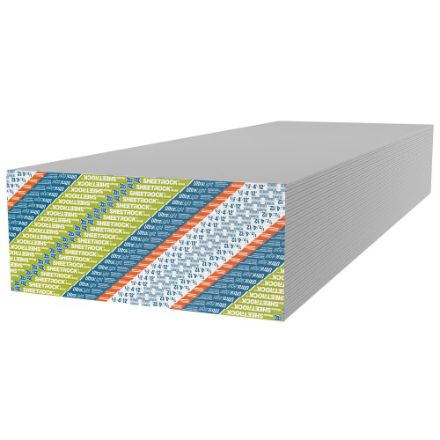
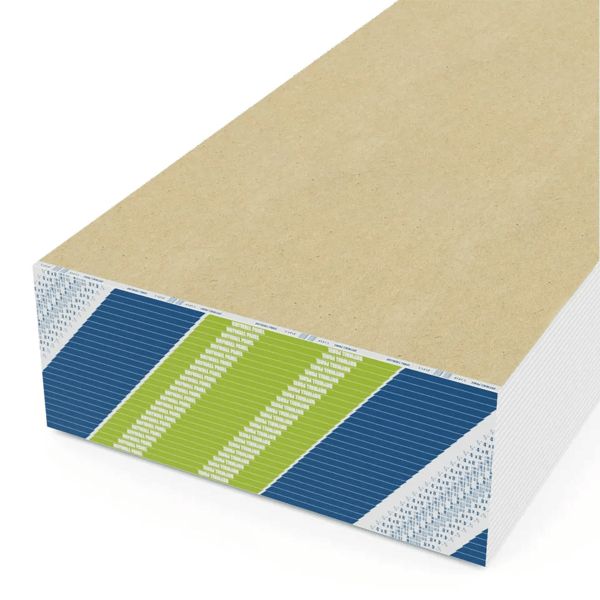
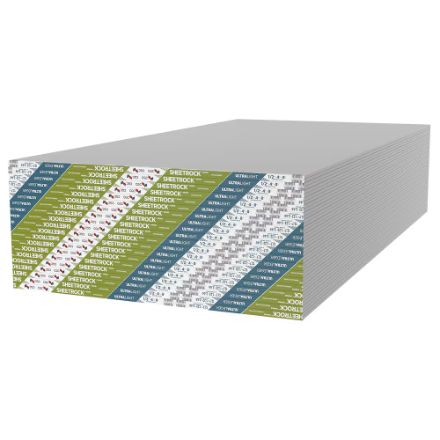
Drywall & Building Materials buying guide
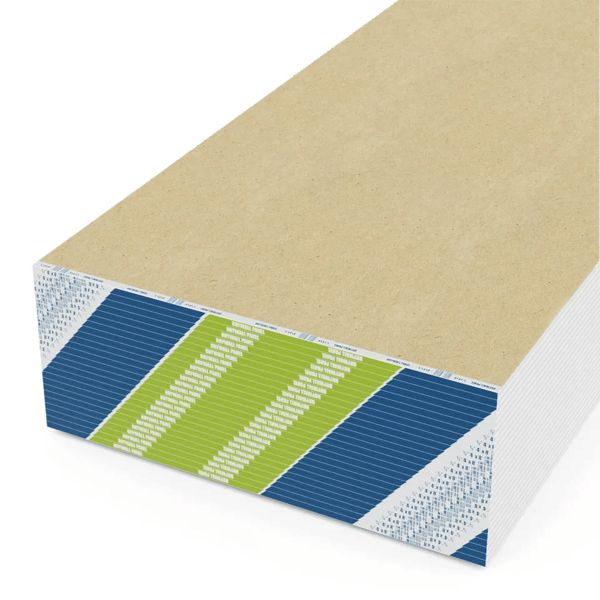
Standard 1/2" drywall covers most interior walls. Use 5/8" Type X where fire resistance is required, such as a wall or ceiling between a house and an attached garage. Use moisture-resistant board in bathrooms and laundry rooms, and cement backer board behind tile in wet areas. Finish every board with joint tape, compound and corner bead.
What thickness of drywall should I use?
1/2" is standard for interior walls. On ceilings, use 1/2" sag-resistant board or 5/8", especially with framing at 24" on centre. 5/8" Type X is the fire-rated board that codes call for in assemblies like garage-to-house walls and ceilings. 1/4" and 3/8" boards are for covering existing walls or for curves.
Can I use regular drywall in a bathroom?
Use moisture-resistant drywall on bathroom walls and ceilings outside the shower or tub. Behind tile in a shower or tub surround, use cement backer board or a waterproofing system made for wet areas. Moisture-resistant drywall resists humidity, but it is not a waterproof backing for tile.
Should I hang drywall horizontally or vertically?
On walls, hanging the long edge horizontally usually means fewer joints and puts the seam at a comfortable height for taping. Some commercial and fire-rated assemblies call for vertical joints on framing, so follow the assembly's listing where it applies. On ceilings, run the boards across the joists.
Which joint compound should I use?
Setting-type compound (sold as a powder) hardens by a chemical reaction. It is good for the first coat, deep fills and corner bead, and it shrinks less. Premixed all-purpose compound is easier to work with. Lightweight topping compound sands easiest for the final coats. Paper tape is strongest on inside corners. Mesh tape is quick on flat seams, used with setting compound.
How many sheets of drywall do I need?
Find the total wall and ceiling area in square feet, subtract large openings, and divide by the area of one sheet (32 sq ft for 4x8, 48 sq ft for 4x12). Then add about 10% for cuts and waste. Longer sheets mean fewer joints to tape.
General guidance only: building codes and permits vary, so confirm requirements for your project with your municipality. Need quantities? Try our project calculators or ask us.