
Hardware & Fasteners
Screws, nails, anchors, hinges, locks, adhesives and closet hardware.
Hardware & Fasteners
Filters
Filters
Category
Price
Brand
Hardware & Fasteners buying guide
Match fasteners to the material and to where they are used. Use wood screws or nails for framing, drywall screws for drywall, and anchors for hollow walls. Outdoors and in treated lumber, use hot-dip galvanized or stainless steel. Structural connectors such as joist hangers and ties must be installed with the fasteners their maker specifies.
Screws or nails for framing?
Nails are standard for wall framing. They bend rather than snap under load, which is why codes and engineered connectors specify them. Structural screws rated for the job are handy for decks, ledgers and repairs. Regular drywall or deck screws are not a substitute for structural fasteners.
Which fasteners do I use with pressure-treated wood?
Treated lumber corrodes plain steel. Use hot-dip galvanized fasteners and connectors (look for a G185 coating or better on connectors) or stainless steel, especially in ground contact or near salt. Do not mix stainless and galvanized in the same connection.
How do I hang something heavy on drywall?
Find a stud with a stud finder and screw into it when you can. In hollow drywall, use anchors rated for the load: toggle bolts or metal snap toggles for heavy items, self-drilling anchors for light ones. Check the rated load on the package and stay well under it. For cabinets and TV mounts, use studs or add blocking.
Which caulk or sealant should I use?
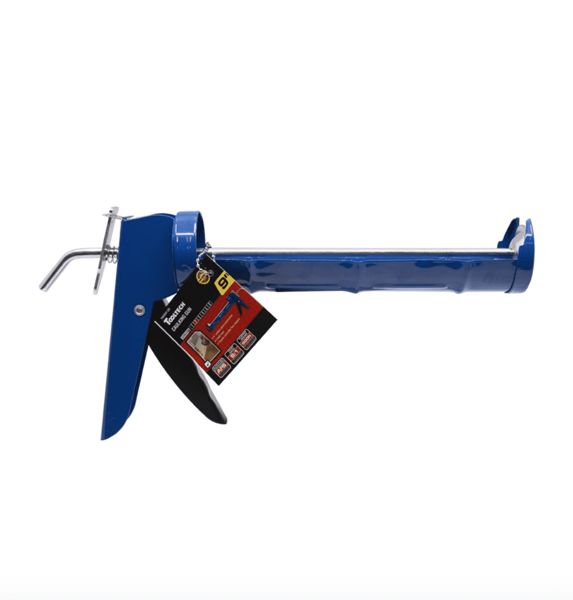
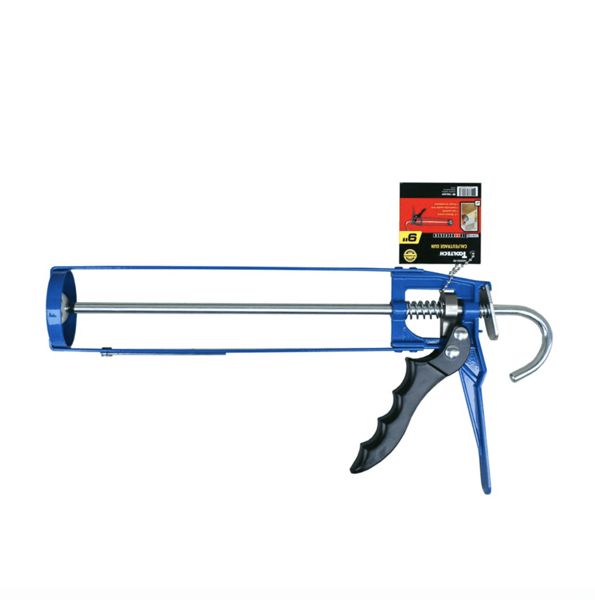
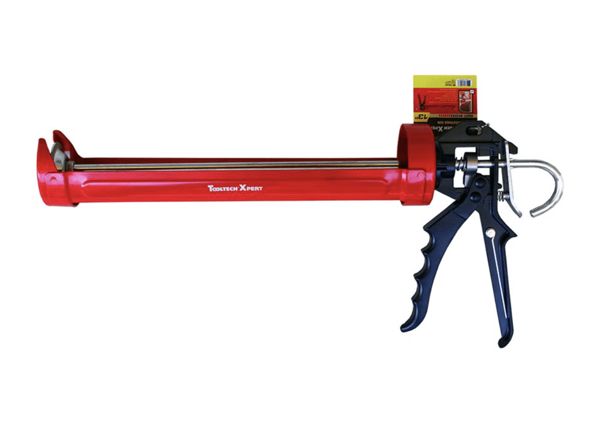
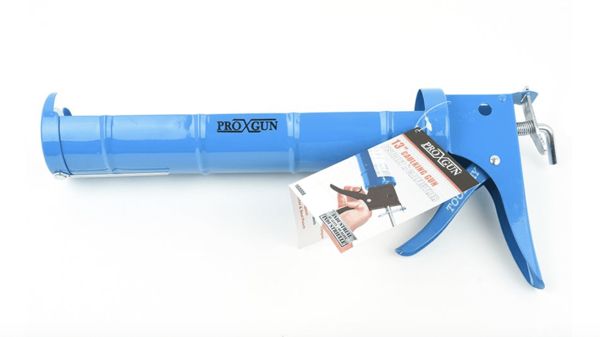
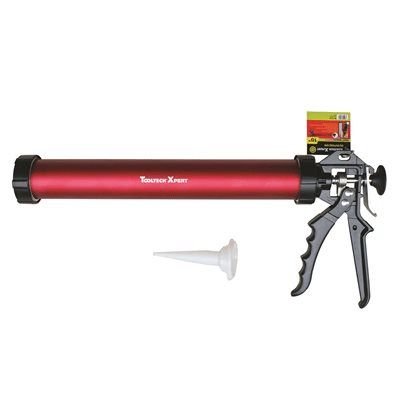
Use paintable acrylic latex caulk for interior trim and gaps that will be painted. Use 100% silicone around tubs, showers and sinks: it stays flexible and waterproof but cannot be painted. Use polyurethane or hybrid sealants outdoors, on masonry and around windows. Use construction adhesive to bond subfloors, panels and trim.
What size hinges does a door need?
Standard interior doors use 3-1/2" hinges, and heavier or exterior doors use 4" or 4-1/2". Use three hinges on a standard 80" door, and more on taller or heavier doors. Match the hinge corner (square or 5/8" radius) to the mortises already in the door and jamb.
General guidance only: building codes and permits vary, so confirm requirements for your project with your municipality. Need quantities? Try our project calculators or ask us.