
Paint & Supplies
Interior and exterior paint, primer, rollers and tape.


Paint & Supplies buying guide
Choose the sheen first, then the colour. Flat and matte hide flaws on ceilings and low-traffic walls. Eggshell and satin are washable for living areas, kitchens and bathrooms. Semi-gloss and gloss suit trim and doors. A good result comes from preparation: clean, sanded, patched and, where needed, primed surfaces.
How much paint do I need?
One gallon (about 3.78 L) covers roughly 350 to 400 sq ft per coat on smooth, primed walls, and less on rough or porous surfaces. Measure the wall area (width x height), subtract large windows and doors, and multiply by the number of coats, usually two. Then divide by the coverage on the can.
When do I need primer?
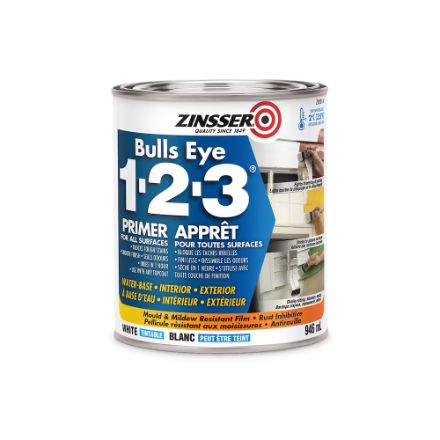
Prime new drywall and patches, bare wood, stained or glossy surfaces, and big colour changes, such as dark to light. Primer seals the surface so the topcoat dries evenly. Use a stain-blocking primer over water stains, smoke or knots. Paint-and-primer products can skip a separate primer on already-painted walls in good shape.
Which sheen should I use?
Flat or matte for ceilings and low-traffic walls. Eggshell or satin for living rooms, bedrooms, hallways and kitchens, where you want walls you can wipe. Satin or semi-gloss for bathrooms. Semi-gloss or gloss for trim, doors and cabinets. Higher sheens are tougher and easier to clean, but they show surface flaws more.
How long should I wait between coats?
Most interior latex paints can be recoated in about 2 to 4 hours, but check the can, because cool or humid rooms slow drying. Oil-based and alkyd paints often need 16 to 24 hours. Paint is dry to the touch long before it is fully cured, so treat new paint gently for a couple of weeks.
Can I paint over oil-based paint with latex?
Yes, after preparation. Clean the surface, scuff-sand the gloss, and apply a bonding primer made for going over oil, then topcoat with latex. To test old paint, rub it with a rag dampened with rubbing alcohol: latex softens and comes off on the rag, while oil-based paint does not.
General guidance only: building codes and permits vary, so confirm requirements for your project with your municipality. Need quantities? Try our project calculators or ask us.