
Electrical
Wire, breakers, devices, conduit and detectors.
Electrical
Filters
Filters
Category
Price
Brand


Electrical buying guide
In Ontario, electrical work is governed by the Ontario Electrical Safety Code and the Electrical Safety Authority (ESA). Match wire gauge to the breaker size, use boxes and devices approved for Canada (look for CSA or another accepted certification mark), and get the permit before you start. When in doubt, hire a licensed electrical contractor.
What gauge wire do I need?
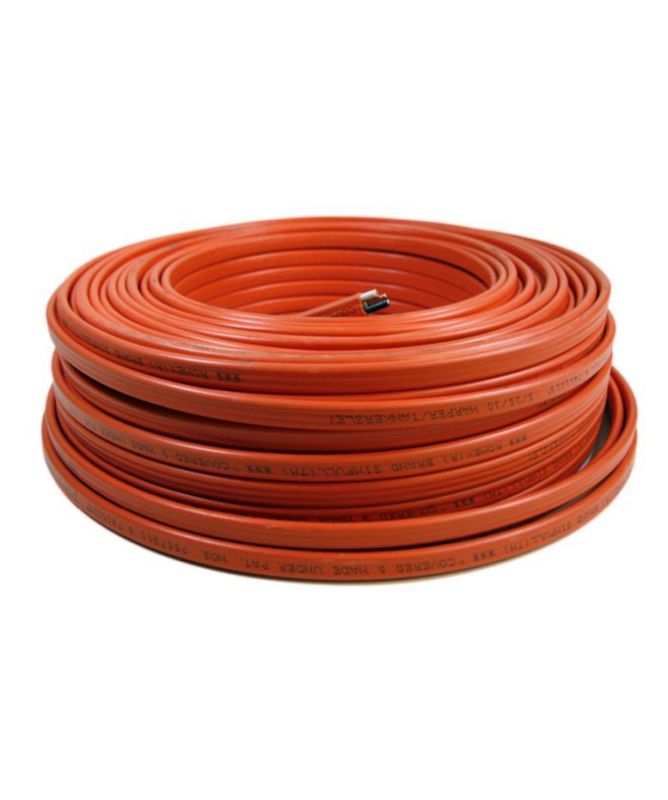
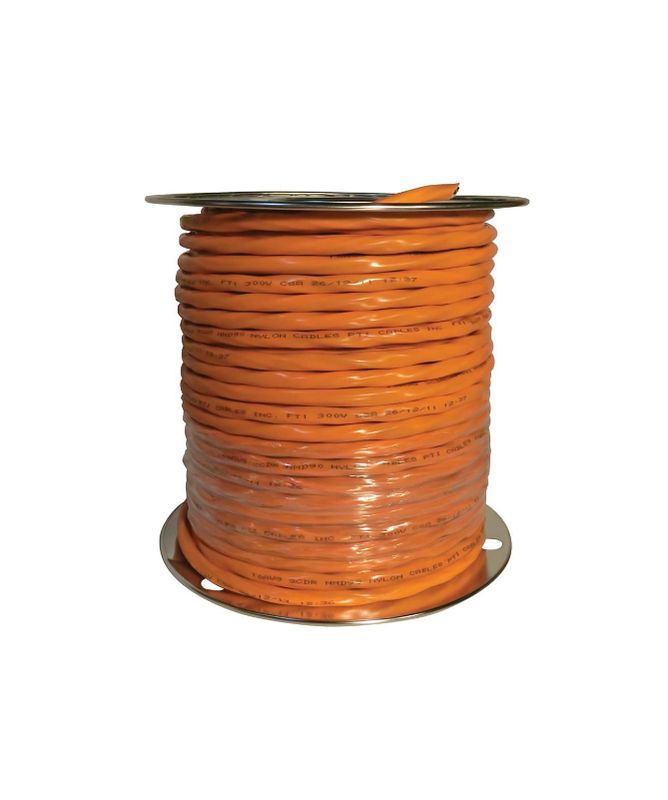
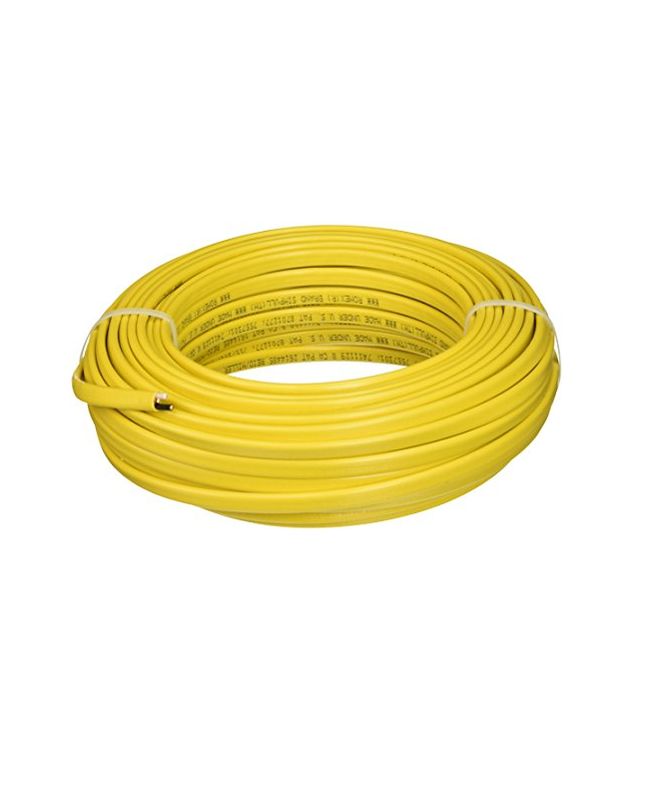
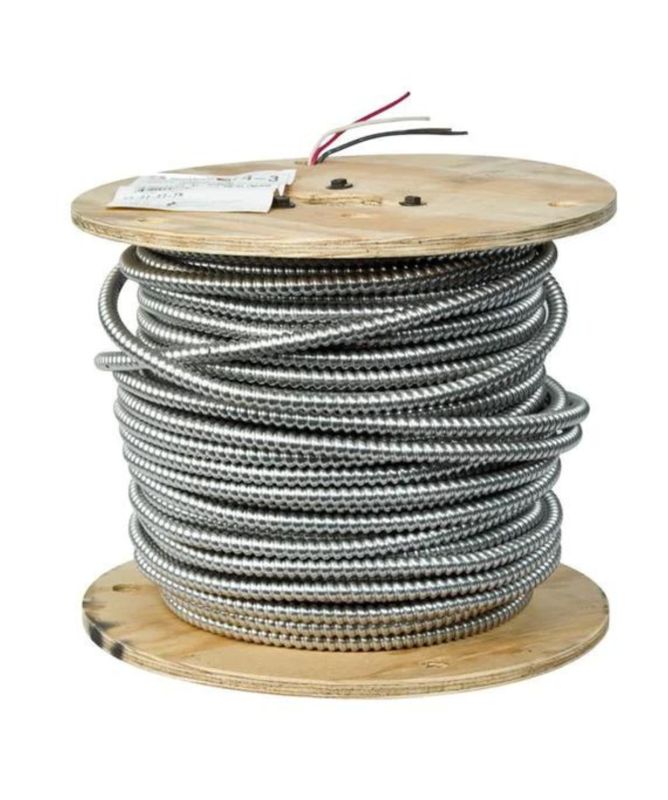
In typical copper house wiring, 14 AWG goes on 15 A circuits (most lights and general outlets), 12 AWG on 20 A circuits (kitchen counter outlets, some appliances), and 10 AWG on 30 A circuits, such as a dryer or water heater. Long runs and special loads can need larger wire. NMD90 is the standard Canadian non-metallic sheathed cable for dry indoor locations.
Can I do my own electrical work in Ontario?
Homeowners may do electrical work in a home they own and live in, but they must file a notification (permit) with the ESA and have the work inspected. Anyone doing electrical work for pay must be a Licensed Electrical Contractor. Check the ESA's current rules before starting.
What is the difference between GFCI and AFCI protection?
A GFCI (ground fault) device cuts power if current leaks to ground, protecting people from shock. The code requires it near sinks, in bathrooms, outdoors and in other wet locations. An AFCI (arc fault) device detects dangerous arcing in wiring that can start fires, and the code requires it on many bedroom and living-area circuits. Combination devices do both.
Which electrical box should I use?
Size the box by the number of conductors, devices and clamps it will hold (box fill), not just by what fits. Use boxes approved for the purpose: a fan-rated box for ceiling fans, a weatherproof box outdoors, and vapour-barrier boxes on exterior walls in cold climates to keep the air seal intact.
Where are smoke and CO alarms required?
Ontario's Fire Code requires a working smoke alarm on every storey of a home and outside sleeping areas, and new construction requires alarms in bedrooms too, often interconnected. A carbon monoxide alarm is required outside sleeping areas in homes with a fuel-burning appliance, fireplace or attached garage. Test them monthly.
General guidance only: building codes and permits vary, so confirm requirements for your project with your municipality. Need quantities? Try our project calculators or ask us.