
Trim & Moulding
Baseboard, casing, crown moulding and millwork.
Trim & Moulding
Filters
Filters
Category
Price
Brand
Trim & Moulding buying guide
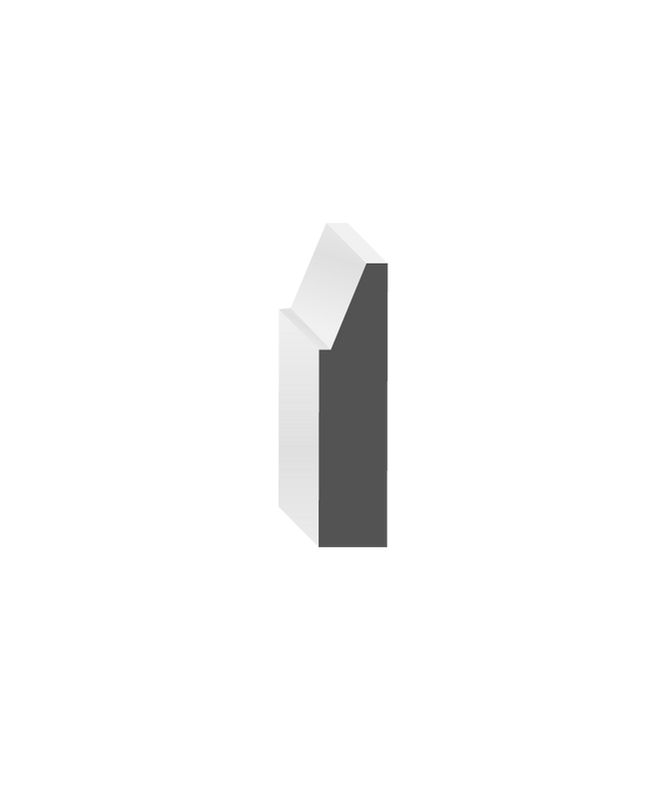
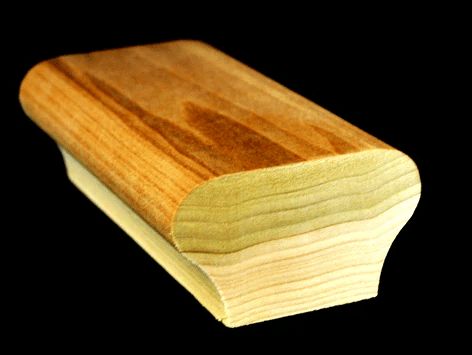
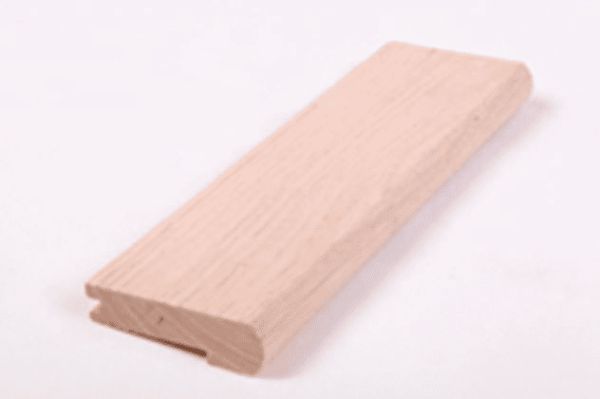
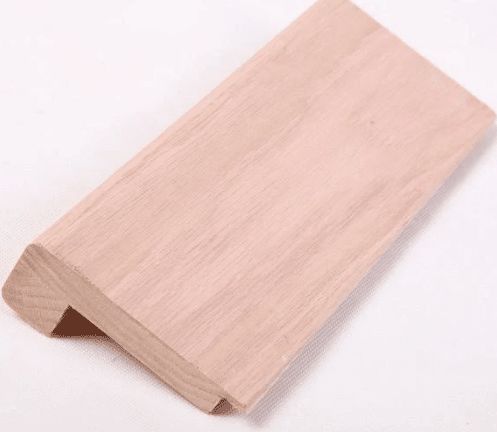
Trim covers the joints where walls meet floors, ceilings, doors and windows. MDF is smooth, stable and inexpensive for painted trim. Pine and other solid woods suit stain or a natural finish. PVC and composite trim are for exteriors and wet rooms. Choose the profile height to suit the ceiling height and the style of the room.
MDF or solid wood trim?
Primed MDF is the usual choice for painted interior trim. It is straight, smooth and does not move much with humidity, but it swells if it gets wet. Solid wood takes stain, holds up better to knocks and moisture, and can be repaired. In bathrooms, basements and outdoors, PVC or composite trim will not rot or swell.
How tall should baseboard be?
Around 3-1/2" to 5-1/4" is common for 8 ft ceilings. Taller ceilings can carry 5-1/2" to 7" or more. Taller baseboard reads as more traditional or formal. Keep the casing and baseboard proportional so the room looks consistent.
How do I calculate how much trim to buy?
Measure every wall to be trimmed (for casing, measure around each opening), add the lengths together, and add 10% to 15% for miter cuts and waste. Trim is sold by the linear foot or by the piece. Buying longer pieces means fewer joints on long walls.
What is shoe moulding or quarter round for?
It is a small moulding nailed to the baseboard (not the floor) to cover the expansion gap that floating floors like laminate and vinyl plank need along the walls. Shoe moulding is slimmer and less prominent. Quarter round is a true quarter circle.
How do I cut inside corners on trim?
For baseboard and crown, coping usually gives the tightest inside corner. Cut one piece square into the corner, then cut the profile of the mating piece with a coping saw so it overlaps the first. Mitered inside corners can open up as the house moves. Outside corners are mitered at 45 degrees on a square wall.
General guidance only: building codes and permits vary, so confirm requirements for your project with your municipality. Need quantities? Try our project calculators or ask us.