
Insulation
Batt, roll, foam board, spray foam and acoustic insulation.
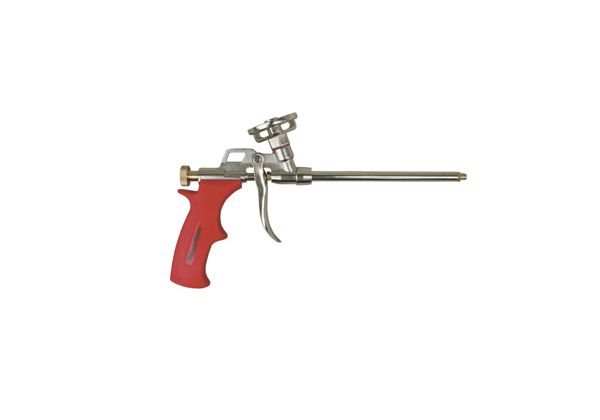
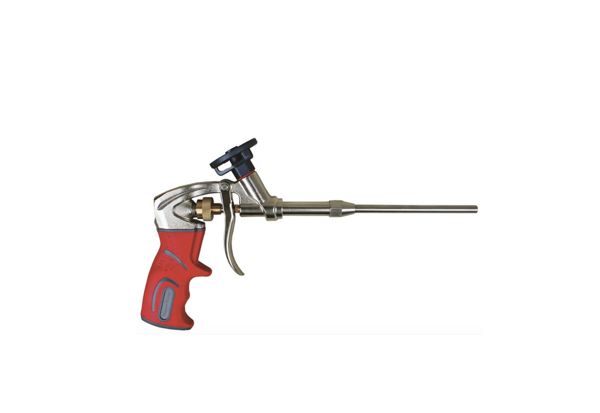
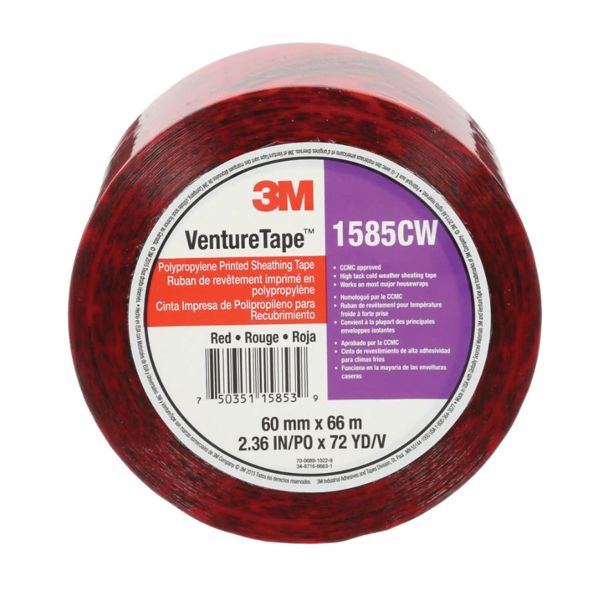
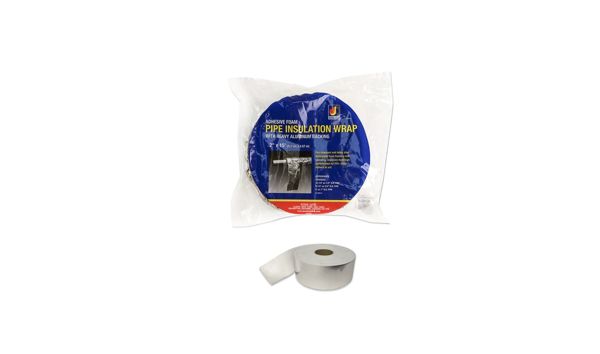
Insulation buying guide
Insulation is rated by R-value: the higher the number, the more it resists heat flow. Batts suit open stud and joist cavities. Rigid foam board goes over walls and foundations or under slabs. Blown-in insulation suits attics, and spray foam seals and insulates in one step. In a cold climate like Ontario's, how well the air and vapour barrier is sealed matters as much as the R-value.
What R-value do I need?
It depends on where the insulation goes and on the energy rules that apply to your permit. As a rough guide for new work in Ontario, exterior walls need about R-22 or more, often with continuous insulation outside the studs. Attic ceilings need about R-50 to R-60. Basement walls need about R-20 or more. Check the exact values for your project with your building department or designer.
Batts, rigid foam or spray foam?
Batts (mineral wool or fibreglass) are the easiest choice for open stud and joist cavities. Rigid foam board adds continuous insulation that covers the studs, which reduces heat loss through the framing, and it works against concrete. Spray foam fills gaps and acts as an air barrier. Closed-cell spray foam also slows vapour, but it needs a trained installer.
Do I need a vapour barrier?
In cold climates, the building code usually requires a vapour barrier on the warm (inside) side of insulated exterior walls and ceilings. It is often 6-mil polyethylene, sealed at the seams and penetrations, or another material that meets the requirement. Some foam boards and closed-cell spray foam can act as the vapour barrier themselves. Check the requirement for your wall build-up before closing it in.
Is mineral wool better than fibreglass?
Both insulate well when they are installed without gaps or compression. Mineral wool is denser, friction-fits snugly, resists fire to very high temperatures, and muffles sound better, which makes it popular for interior walls and floors. Fibreglass is lighter and usually costs less. Either one loses R-value if it is compressed or left with gaps.
How do I soundproof an interior wall?
Fill the cavity with acoustic insulation such as mineral wool. Seal gaps and outlet boxes with acoustic sealant. Add mass with a second layer of drywall or with 5/8" board. Resilient channel or double stud walls help further. Insulation alone helps with voices, but the gaps let the most sound through.
General guidance only: building codes and permits vary, so confirm requirements for your project with your municipality. Need quantities? Try our project calculators or ask us.