
Lighting
Vanity, recessed, ceiling and outdoor light fixtures.
Lighting
Filters
Filters
Category
Price
Brand
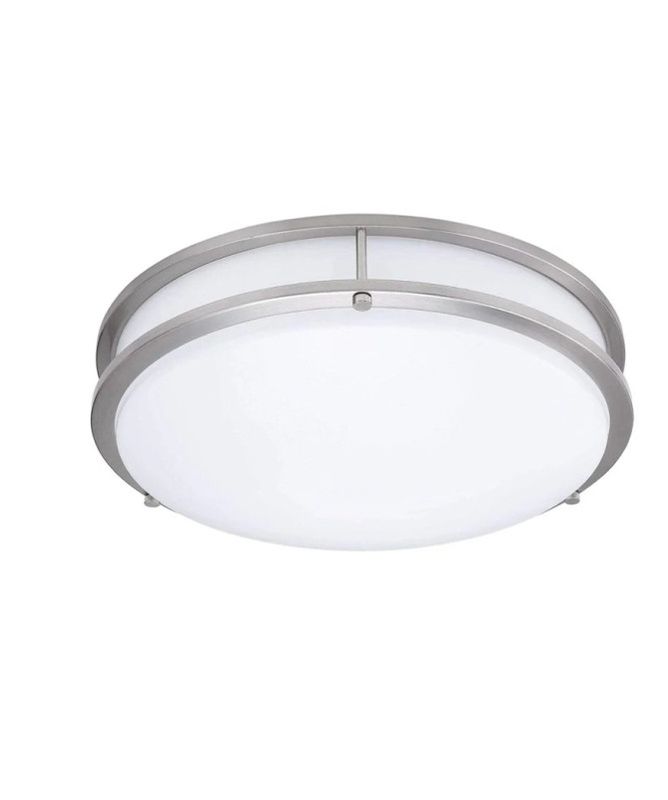
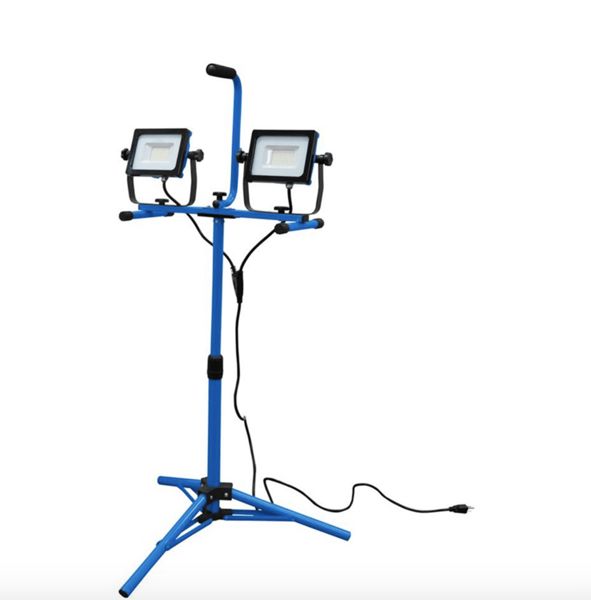
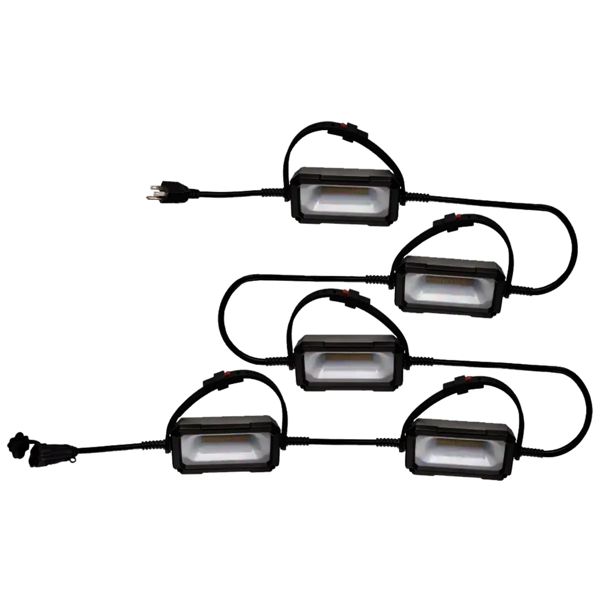
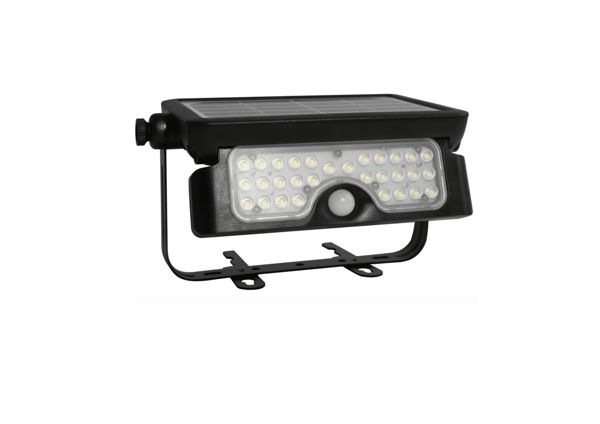
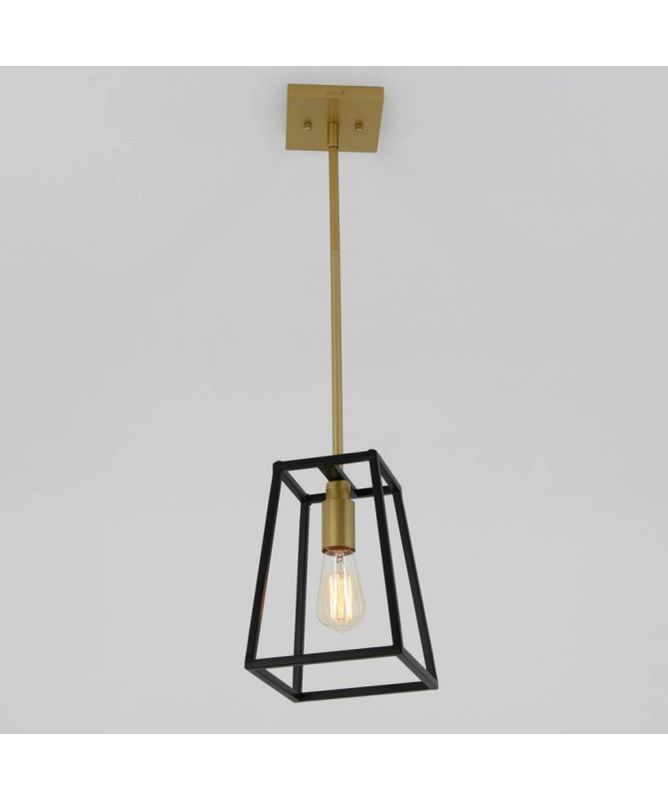
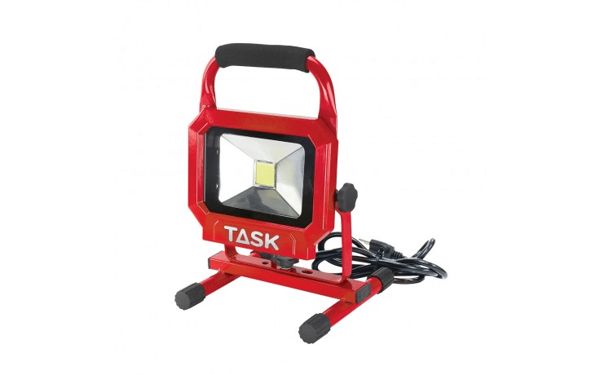
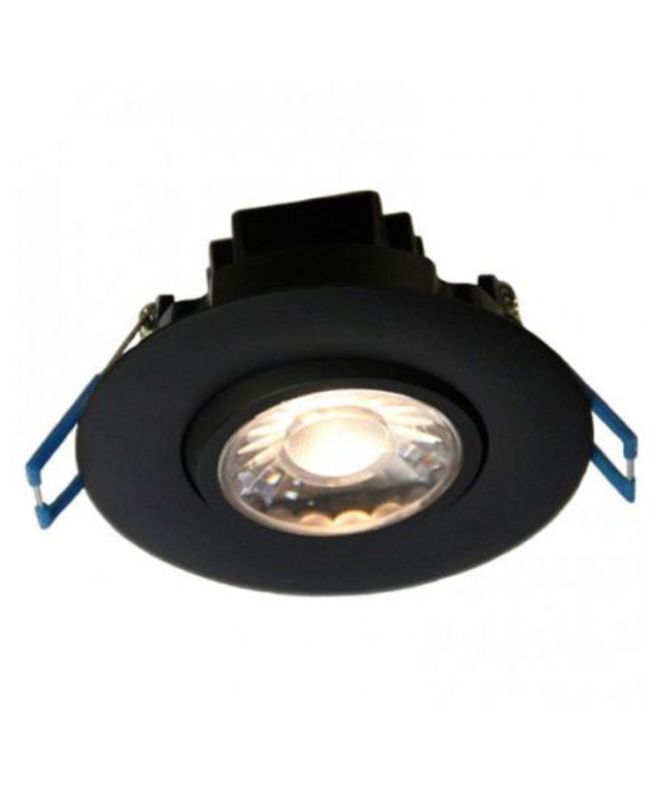
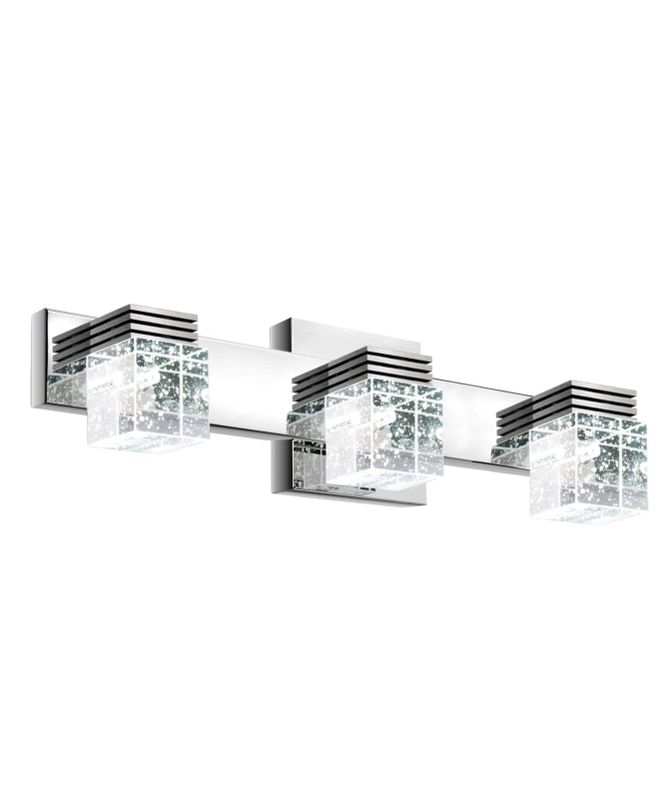
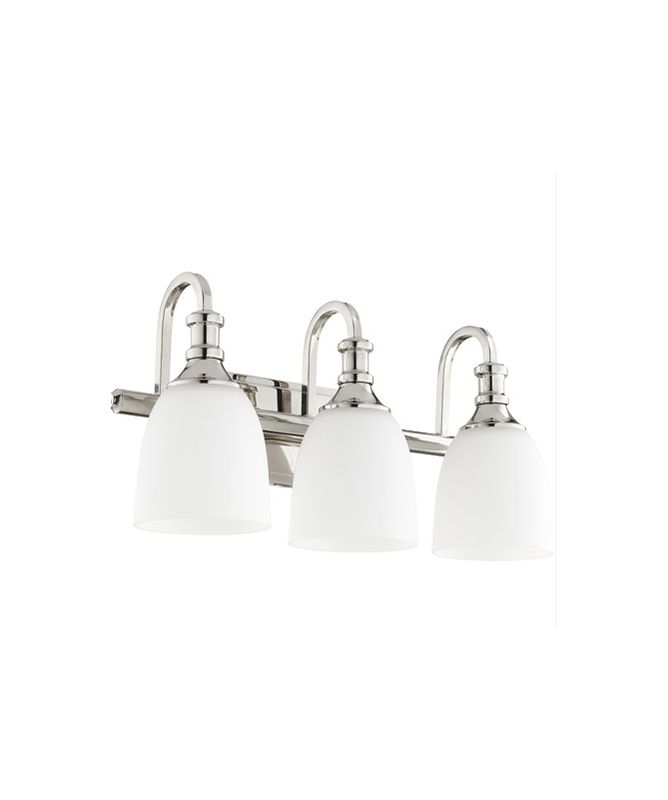
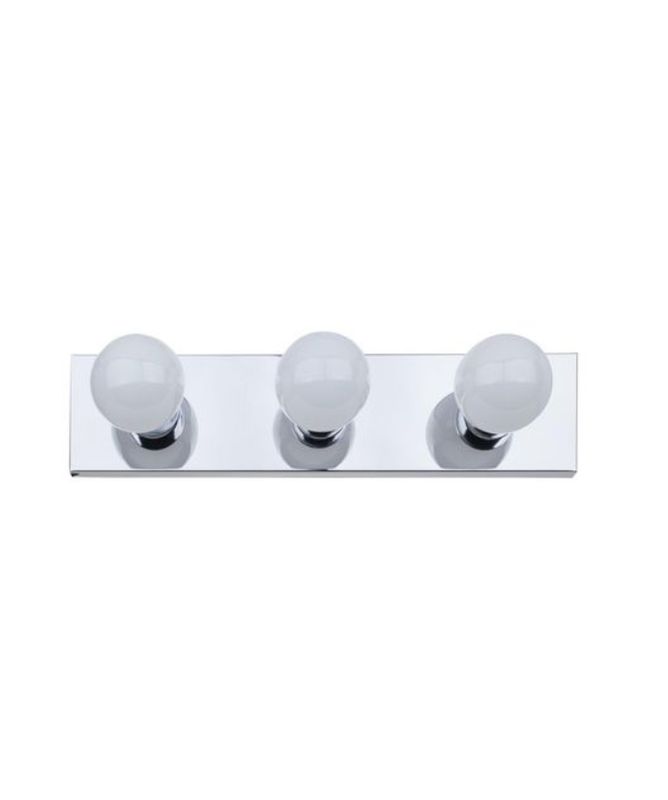
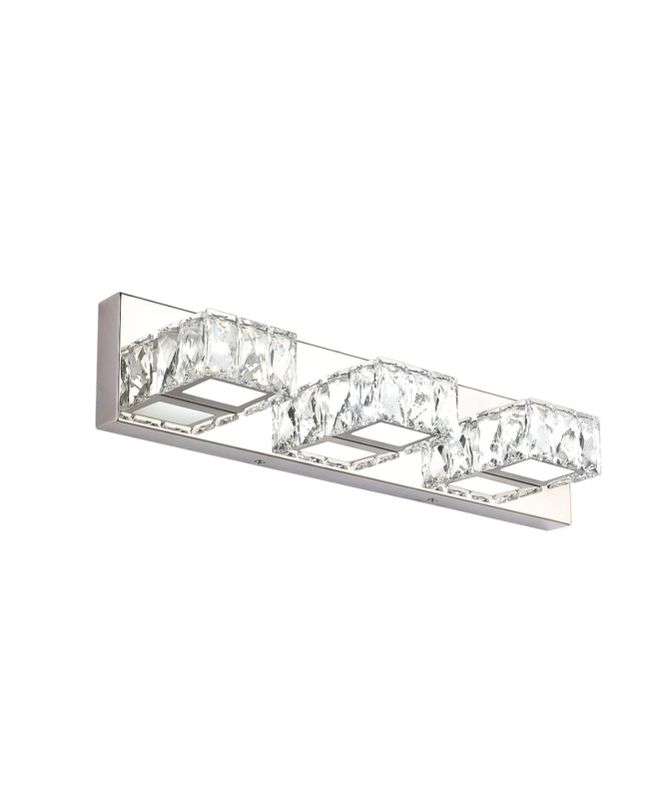
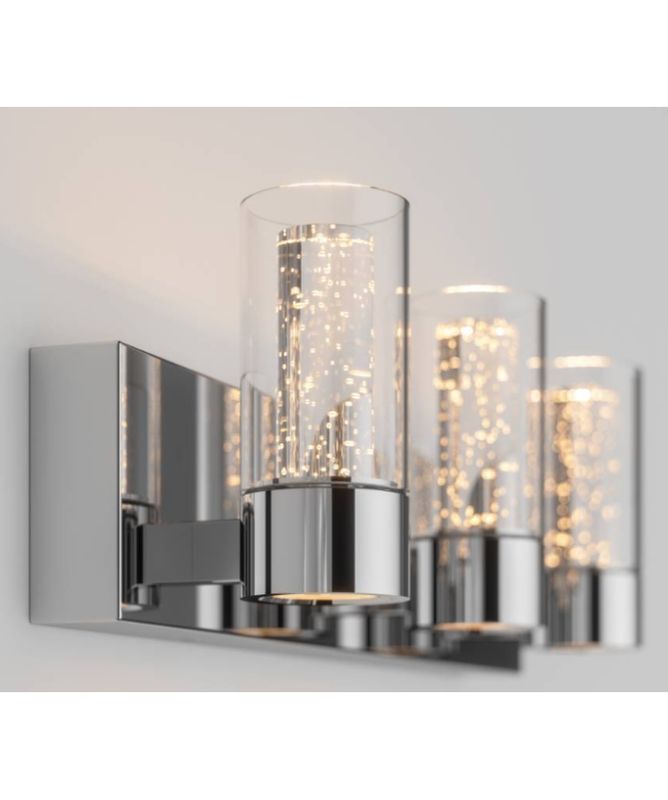
Lighting buying guide
Plan lighting in layers: ambient light such as pot lights and ceiling fixtures, task light over counters and vanities, and accent light. Choose LED for low energy use and long life. Pick a colour temperature that suits the room, and use dimmable fixtures with a compatible dimmer where you want control.
What colour temperature should I choose?
2700K to 3000K is warm white, cozy for living rooms and bedrooms. 3500K to 4000K is neutral to cool white, crisp for kitchens, bathrooms and work areas. 5000K and up is daylight, for garages and workshops. Keeping one temperature in each room looks more consistent.
How many pot lights do I need?
A common starting point is to divide the ceiling height by two for the spacing. With an 8 ft ceiling, that puts lights about 4 ft apart, and about 2 ft to 3 ft from walls. Brightness also depends on each fixture's lumens and beam angle, so kitchens and work areas often need more lights than this rule gives.
What do lumens mean?
Lumens measure how much light a bulb gives off. Watts measure power used. A roughly 800-lumen LED replaces an old 60 W incandescent and uses about 8 to 10 W. For general room lighting, plan very roughly 10 to 20 lumens per square foot, and more for kitchens and task areas.
Why do my LED lights flicker on a dimmer?
Usually the dimmer was designed for old incandescent loads, or the bulb is not dimmable. Use dimmable LED bulbs or fixtures with a dimmer listed as LED-compatible, and check the dimmer's minimum load. Many LED dimmers have a trim adjustment for the low end.
What does IC-rated mean for pot lights?
IC-rated (insulation contact) fixtures can be covered by insulation, which ceilings under an attic need. Non-IC fixtures need clearance from insulation. Airtight (AT) fixtures limit air leaks into the attic. Most slim LED wafer lights are IC-rated and need no housing. Check the fixture's markings.
General guidance only: building codes and permits vary, so confirm requirements for your project with your municipality. Need quantities? Try our project calculators or ask us.